Oxidation on Windows & Frames: Causes, Risks & How to Remove It
July 15, 2025
Florida's coastal climate creates the perfect storm for oxidation buildup on windows and frames. That chalky, discolored film you see developing on your property isn't just an aesthetic issue—it's a progressive deterioration that can cause permanent damage and significantly impact your property value. At Fresh Frames Windows, we've developed specialized techniques to combat oxidation across Palm Beach, Broward, Miami-Dade, and Hillsborough counties.
Quick answer: oxidized windows get a chalky white-to-gray film because aluminum frames and glass coatings react with oxygen and moisture — and Florida's constant salt air plus intense subtropical UV speed up that same chemical reaction faster than in most other climates. Left untreated it follows a set timeline: still fully restorable through about 18 months, permanent staining risk sets in between 18-36 months, and by 3+ years it can pit and permanently damage the surface. Catch it early — call Fresh Frames at (561) 957-4186 for a free oxidation assessment.
Can oxidized windows be cleaned, or do they need to be replaced? In most cases, cleaned — not replaced. Professional treatment can still fully restore the original appearance through about 18 months of buildup (Stage 2 below); between 18-36 months (Stage 3) restoration is still possible but more involved once staining sets in. Only glass or frames that have progressed to 3+ years of pitting and permanent surface damage (Stage 4) typically need replacement. A free on-site assessment tells you which stage yours is in — get your free estimate before deciding.
Understanding Oxidation: The Silent Property Destroyer
What is Oxidation Buildup?
Oxidation is a chemical reaction that occurs when materials are exposed to oxygen, moisture, and environmental contaminants over time. On windows and frames, this process creates a chalky, powdery residue that gradually builds up, dulling surfaces and compromising their integrity.
The Chemical Process:
Metal ions react with oxygen in the presence of moisture
Environmental pollutants accelerate the oxidation process
Salt spray from coastal areas intensifies chemical reactions
Temperature fluctuations cause expansion and contraction, creating microscopic damage
Types of Oxidation Common in Florida
Aluminum Oxidation:
Appearance: White, chalky powder on frames and trim
Common locations: Window frames, door frames, railings, shutters
Progression: Starts as light dusting, advances to thick, stubborn buildup
Metal Hardware Oxidation:
Appearance: Rust-colored stains and corrosion
Common locations: Hinges, locks, handles, fasteners
Progression: Surface rust advancing to structural compromise
Coating Degradation:
Appearance: Fading, chalking, and film formation
Common locations: Painted surfaces, anodized finishes
Progression: Protective layer failure leading to substrate damage
Florida's Unique Oxidation Challenges
Environmental Factors
High Humidity: Year-round humidity levels of 60-80% create ideal conditions for oxidation by providing constant moisture presence and preventing complete surface drying.
Regional Variations
Palm Beach County: Direct salt spray exposure in coastal cities, agricultural chemicals inland, luxury properties with extensive metal detailing
Broward County: Urban pollution combining with coastal conditions, sprinkler system mineral deposits, industrial influences from ports and airports
Miami-Dade County: High-rise buildings with extensive metal components, extreme salt exposure, year-round aggressive environmental conditions
Hillsborough County: Industrial and maritime influences, well water mineral content, diverse climate zones across the county
The Science Behind Oxidation Damage
Progressive Deterioration Process
Stage 1: Initial Exposure (0-6 months)
Microscopic surface changes occur
Preventive measures still highly effective
Stage 2: Visible Buildup (6-18 months)
Chalky residue becomes noticeable
Surface texture changes and color fading
Professional cleaning can still restore original appearance
Stage 3: Advanced Oxidation (18-36 months)
Thick, stubborn buildup forms
Permanent staining may occur
Restoration becomes more complex and expensive
Stage 4: Irreversible Damage (3+ years)
Pitting and permanent surface damage
Structural weakness develops
Replacement may be necessary
Environmental Accelerators
Pollution and Contaminants: Vehicle emissions, industrial discharge, agricultural runoff, construction dust
Biological Factors: Algae growth, mold and mildew, bird droppings, decomposing plant matter
The Hidden Costs of Oxidation Buildup
Property Value Impact
Immediate Consequences:
Dramatic reduction in curb appeal
Unprofessional appearance for commercial properties
Negative first impressions for potential buyers
Long-Term Financial Implications:
Residential properties: 5-15% reduction in market value
Commercial properties: Lost revenue from poor appearance
Premature window and frame replacement costs
Energy Efficiency Concerns
Thermal Performance Degradation:
Compromised window seals allowing air infiltration
Reduced insulation value of frames
Increased heating and cooling costs
Natural Light Reduction:
Oxidation buildup blocks natural light transmission
Increased need for artificial lighting
Higher electricity costs year-round
Health and Safety Considerations
Structural Integrity Issues:
Weakened frames may fail during storms
Compromised window operation and security
Building code compliance concerns
Indoor Air Quality:
Compromised seals allowing moisture infiltration
Mold and mildew growth potential
Respiratory health concerns for occupants
Professional Oxidation Removal: The Fresh Frames Approach
Advanced Assessment and Treatment
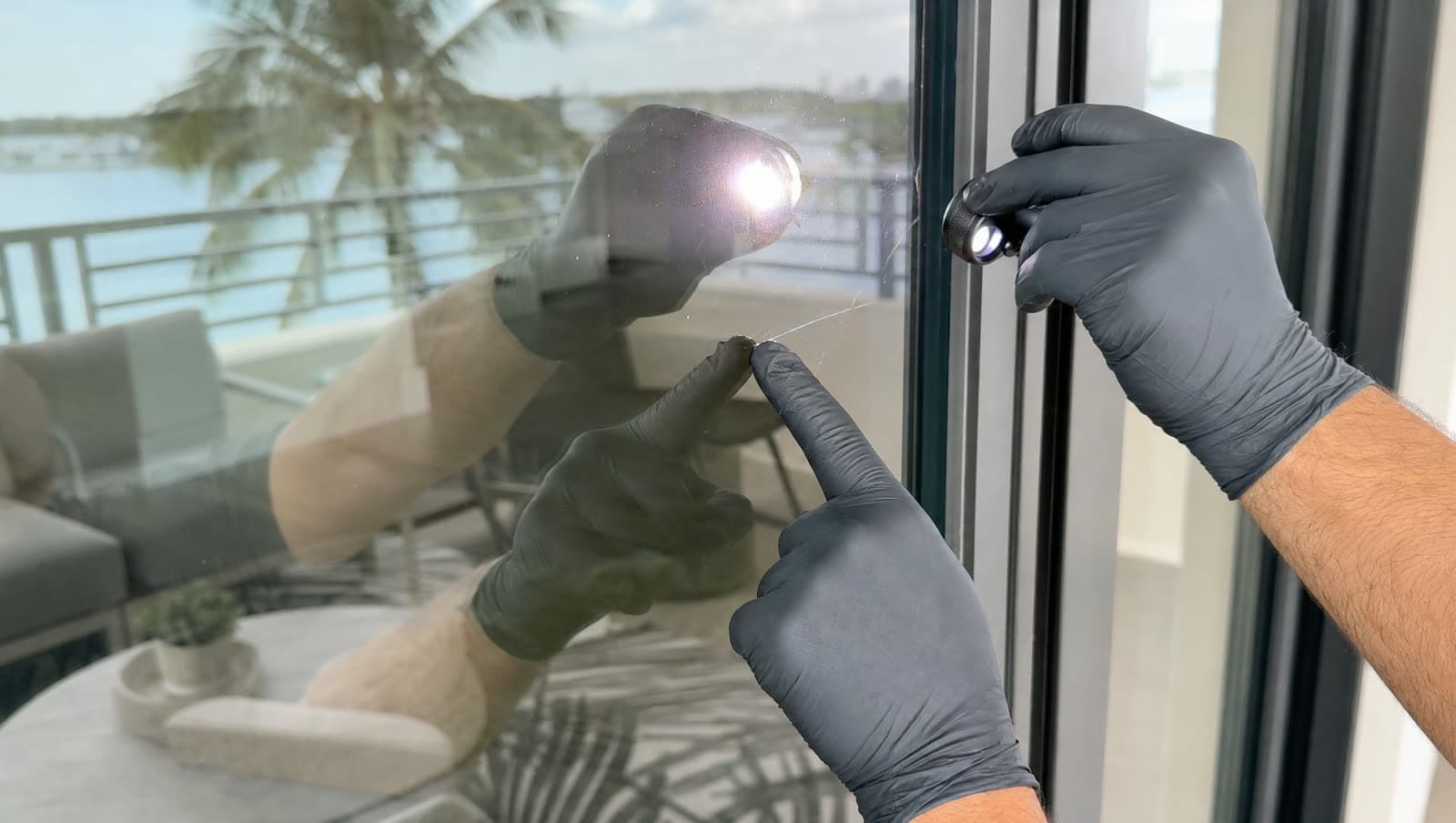
Our certified technicians conduct comprehensive assessments to identify oxidation type and extent, determine underlying causes, assess structural integrity, and develop customized treatment plans.
Specialized Testing Procedures:
Surface analysis to determine oxidation depth
Coating evaluation for remaining protective layer integrity
Structural assessment for frame integrity
Environmental factor identification
Professional-Grade Treatment Methods
Chemical Oxidation Removal:
Acid-based solutions specifically formulated for aluminum and metal oxidation
Neutralizing agents to ensure complete chemical removal
Protective rinses to prevent immediate re-oxidation
Mechanical Restoration:
Gentle abrasion to remove stubborn buildup without substrate damage
Precision tools and specialized equipment
Surface refinishing to restore original appearance
Protective Coating Application:
Sealants and waxes creating barriers against future oxidation
Anti-corrosion treatments for metal components
UV protection coatings and hydrophobic treatments
Ready for a spotless property?
Get a free, no-obligation estimate — backed by our Spotless Promise — free re-clean within 72 hours.
Get My Free Estimate